
The Role of Nutrition in Concussion Recovery: Supporting Brain Healing Through Diet
Recovering from a concussion can be a challenging journey, but did you know that what you eat can play a significant role in your recovery? Nutrition is a powerful tool that can support brain healing, reduce inflammation, and improve overall well-being during this critical time. In this blog, we’ll explore how diet can aid concussion recovery, the foods to include and avoid, and why hydration is essential for optimal healing.|
How Nutrition Impacts Concussion Recovery
A concussion is a type of traumatic brain injury (TBI) that disrupts normal brain function. Following a concussion, the brain enters a state of heightened energy demand while simultaneously experiencing reduced energy availability. This energy deficit, combined with inflammation and oxidative stress, can prolong symptoms such as headaches, fatigue, and difficulty concentrating.
Nutrition can help bridge this gap by providing the brain with the nutrients it needs to repair itself. A well-balanced diet can reduce inflammation, support the production of neurotransmitters, and promote cellular repair, all of which are essential for recovery.
Foods to Include During Concussion Recovery
- Omega-3 Fatty Acids
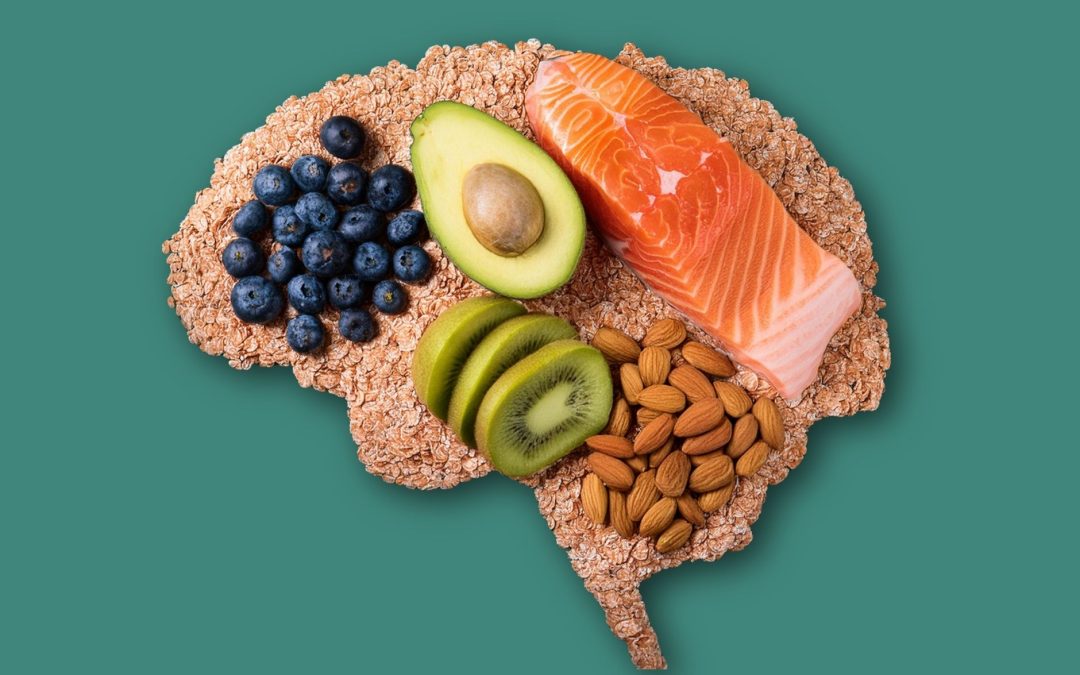
Omega-3s, found in fatty fish like salmon, mackerel, and sardines, are known for their anti-inflammatory properties. They support brain cell repair and improve cognitive function. If you’re not a fan of fish, consider plant-based sources like flaxseeds, chia seeds, and walnuts. - Antioxidant-Rich Foods
After a concussion, oxidative stress can damage brain cells. Antioxidants help neutralise free radicals and protect the brain. Include colourful fruits and vegetables like blueberries, spinach, kale, and sweet potatoes in your diet. - Protein-Rich Foods
Protein is essential for repairing damaged tissues and producing neurotransmitters. Lean meats, eggs, tofu, and legumes are excellent sources of high-quality protein. - Magnesium-Rich Foods
Magnesium plays a crucial role in brain function and can help reduce headaches and improve sleep. Foods like almonds, spinach, avocado, and dark chocolate are rich in magnesium. - Whole Grains
Whole grains like quinoa, brown rice, and oats provide a steady source of energy for the brain. They also contain B vitamins, which are essential for brain health. - Hydrating Foods
Foods with high water content, such as cucumbers, watermelon, and oranges, can complement your hydration efforts and provide essential vitamins and minerals.
Foods to Avoid During Concussion Recovery
- Processed Foods
Processed foods are often high in unhealthy fats, sugar, and artificial additives, which can increase inflammation and hinder recovery. Avoid packaged snacks, fast food, and sugary cereals. - Caffeine and Alcohol
Both caffeine and alcohol can interfere with sleep and hydration, which are critical for brain healing. Limit or avoid these substances during your recovery. - High-Sugar Foods
Foods high in sugar can cause blood sugar spikes and crashes, leading to fatigue and irritability. Opt for natural sweeteners like honey or fruits instead. - Artificial Sweeteners
Artificial sweeteners like aspartame can affect brain chemistry and may worsen symptoms like headaches. Stick to natural alternatives.
The Importance of Hydration in Concussion Recovery
Hydration is often overlooked but is vital for brain health. The brain is approximately 75% water, and even mild dehydration can impair cognitive function and exacerbate symptoms like headaches and fatigue. Here’s how to stay hydrated during your recovery:
- Drink Plenty of Water: Aim for at least 8-10 glasses of water per day, or more if you’re physically active.
- Electrolyte Balance: Include drinks or foods rich in electrolytes, such as coconut water or bananas, to maintain proper hydration levels.
- Avoid Dehydrating Beverages: Steer clear of caffeinated and alcoholic drinks, as they can dehydrate the body.
Practical Tips for Incorporating Brain-Boosting Foods
- Meal Prep
Preparing meals in advance can make it easier to stick to a brain-healthy diet, especially when you’re feeling fatigued. Focus on simple recipes that include whole, nutrient-dense ingredients. - Snack Smart
Keep healthy snacks like nuts, seeds, and fresh fruit on hand to avoid reaching for processed options. - Consult a Professional
If you’re unsure about your dietary needs, consider consulting a dietitian or healthcare provider who specialises in concussion recovery.
Call to Action: Take Control of Your Recovery
Your diet is a powerful ally in your concussion recovery journey. By focusing on nutrient-rich foods, staying hydrated, and avoiding inflammatory triggers, you can support your brain’s healing process and improve your overall well-being.
If you’re looking for personalised advice or additional resources, visit Sydney Concussion Centre today. Our team is here to help you navigate your recovery with evidence-based strategies tailored to your needs.
Book an appointment now to take the first step toward a healthier, brighter future. Don’t forget to like and follow us on social media for more tips and updates!

Recent Comments