
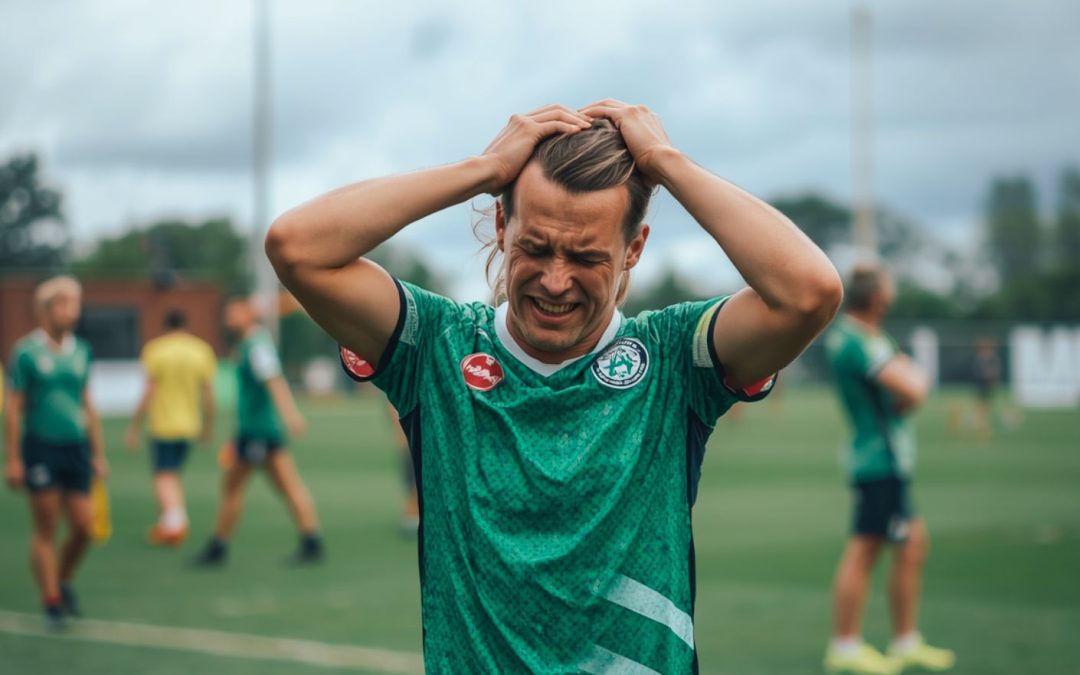
Concussion in Sports: Prevention and Management
Sports are a vital part of our lives, offering physical fitness, mental well-being, and a sense of community. However, with the thrill of competition comes the risk of injury, and one of the most concerning injuries in sports is a concussion. Concussions are not just “a bump on the head”; they are a form of traumatic brain injury (TBI) that can have serious short- and long-term consequences if not properly managed. This blog will explore the risks of sports-related concussions and provide tips for prevention.
Understanding Sports-Related Concussion Risks
Concussions occur when a sudden impact or force causes a sudden release of energy in the brain, leading to temporary brain dysfunction. In sports, this can happen during collisions, falls, or blows to the head. While any sport carries some risk, certain activities are more prone to concussions due to their physical nature.
High-Risk Sports for Concussions:
- Contact Sports: Football, rugby, hockey, and boxing are notorious for their high concussion rates due to frequent collisions and tackles.
- High-Speed Sports: Activities like cycling, skiing, and motor racing involve high speeds, increasing the risk of head injuries during falls or crashes.
- Recreational Sports: Even non-contact sports like soccer and basketball can lead to concussions from accidental head impacts or falls.
Why Concussions Are a Concern:
- Short-Term Effects: Symptoms such as headaches, dizziness, confusion, and nausea can disrupt daily life and athletic performance.
- Long-Term Risks: Repeated concussions can lead to chronic traumatic encephalopathy (CTE), memory problems, and emotional instability.
- Delayed Recovery: Without proper management, a concussion can lead to prolonged symptoms, known as post-concussion syndrome.
Tips for Preventing Concussions in Athletes
While it’s impossible to eliminate all risks, there are several strategies to reduce the likelihood of concussions in sports. Prevention starts with education, proper training, and a commitment to safety.
1. Educate Athletes, Coaches, and Parents:
Awareness is the first step in prevention. Athletes, coaches, and parents should be educated about the signs and symptoms of concussions, as well as the importance of reporting injuries.
Encourage a culture where safety is prioritised over winning. Athletes should feel comfortable reporting symptoms without fear of being sidelined.
2. Enforce Proper Technique:
In contact sports, teaching proper tackling and playing techniques can significantly reduce the risk of head injuries. For example, in rugby and football, players should be trained to avoid leading with their heads during tackles.
Coaches should emphasise fair play and penalise dangerous behaviours, such as headbutting or reckless collisions.
3. Strengthen Neck Muscles:
Strong neck muscles can help stabilise the head during impacts, reducing the force transmitted to the brain. Incorporate neck-strengthening exercises into training routines.
4. Implement Rule Changes:
Sports organisations should regularly review and update rules to minimise concussion risks. For instance, limiting headers in youth soccer or banning high tackles in rugby can make a significant difference.
5. Encourage Rest and Recovery:
Athletes should never return to play while experiencing concussion symptoms. A proper recovery period is essential to prevent further injury.
Managing Concussions: What to Do When They Happen
Despite the best prevention efforts, concussions can still occur. Proper management is crucial to ensure a full recovery and prevent long-term complications.
1. Recognise the Signs:
Common symptoms include headaches, dizziness, confusion, memory loss, and sensitivity to light or noise. In severe cases, there may be loss of consciousness. Coaches and teammates should be trained to recognise these signs and act promptly.
2. Remove the Athlete from Play:
If a concussion is suspected, the athlete should be removed from play immediately. Continuing to play can worsen the injury and delay recovery.
3. Seek Medical Attention:
A healthcare professional should evaluate the athlete to confirm the diagnosis and provide a management plan. This may include rest, gradual return to activity, and monitoring for persistent symptoms.
4. Follow a Gradual Return-to-Play Protocol:
Athletes should only return to play after being cleared by a medical professional. A step-by-step protocol ensures they are fully recovered before resuming sports.
Prioritise Safety in Sports
Concussions are a serious issue in sports, but with the right knowledge and precautions, we can reduce their impact. Whether you’re an athlete, coach, or parent, prioritising safety is essential to protect the health and well-being of everyone involved in sports.
If you or someone you know has experienced a concussion, don’t wait to seek help. At Sydney Concussion Centre, we focus on concussion management and recovery. Explore our website to learn more about our services and book an appointment today. Together, we can ensure a safer and healthier sporting experience for all.

Recent Comments